Why Indian Spice Shipments Get Rejected at EU and US Ports and How the Right Exporter Prevents It
In global spice trade, one rejected shipment can wipe out months of profit.
According to the EU’s Rapid Alert System for Food and Feed (RASFF), food border rejections and alerts continue to rise due to pesticide residues, contamination, adulteration, and documentation failures. India remained among the most frequently flagged origins in 2025. Meanwhile, the US FDA has increased import scrutiny under stricter food safety enforcement and import certification rules.
For importers, distributors, and food brands, this creates a serious question:
How do you source Indian spices without risking detention, rejection, or reputational damage?
The answer lies less in pricing and more in choosing the right and the best spice exporter in India.
Let’s understand how to make it possible in this blog.
TL;DR: Why Do Spice Shipments Get Rejected?
- EU and US ports reject spice shipments mainly due to contamination, pesticide residue, salmonella risk, adulteration, incorrect labeling, and missing compliance documents.
- Import regulations in 2026 are stricter than ever.
- Cheap sourcing often increases rejection risk.
- Reliable whole spices exporters reduce risk through certifications, traceability, testing, packaging controls, and shipment documentation.
- VLC Spices follows a preventive export framework built around international food safety standards.
Why Are Indian Spice Shipments Rejected at EU and US Ports?
Quick Answer:
Indian spice shipments are usually rejected because they fail food safety, traceability, or documentation standards required by regulators like the US FDA and EU RASFF. Common reasons include contamination, excessive pesticide residue, aflatoxins, adulteration, poor labeling, and missing export certificates.
Let’s look into each one in detail.
1.Salmonella and Microbial Contamination
Spices naturally pass through multiple handling stages including harvesting, drying, grinding, storage, and packaging. Without strict hygiene protocols, microbial contamination becomes a major risk.
The FDA specifically flags salmonella contamination as a key cause of import refusal.
High-risk products often include:
Indian spices exporters lacking controlled processing environments face a significantly higher rejection rate.
At VLC Spices, as one of the top spice exporters in India, food safety controls are integrated across sourcing, cleaning, grinding, blending, and packaging operations.
2.Pesticide Residues
The EU has some of the world’s strictest Maximum Residue Limits (MRLs).
Even when spices meet domestic standards, they may still fail EU import thresholds.
According to RASFF data and EU food safety monitoring, pesticide residue notifications remain one of the leading causes of border alerts.
This is especially critical for:
- Chilli products
- Turmeric
- Coriander
- Herbs and spice blends
Professional exporters solve this through:
- Controlled sourcing
- Batch testing
- Supplier audits
- Residue analysis before shipment
3. Spice Adulteration
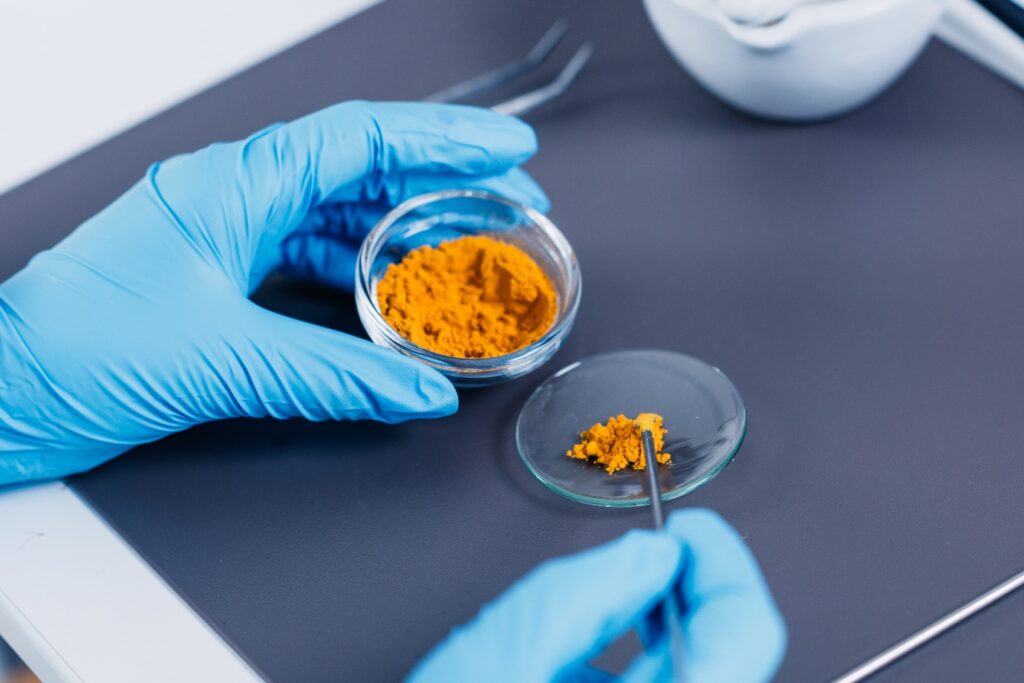
Adulteration is one of the biggest reasons regulators intensify inspections.
The European Commission’s food fraud research found that spice adulteration remains widespread globally because spices are high-value commodities with fragmented supply chains.
Examples include:
Spice | Common Adulteration Risk |
Turmeric | Artificial colorants |
Chilli powder | Synthetic dyes |
Cumin | Foreign seed mixing |
Pepper | Mineral fillers |
This is why bulk B2B buyers increasingly demand:
- Certificate of Analysis (COA)
- Traceability records
- Lab-tested batches
- Verified sourcing systems
VLC Spices operates with certifications including FSSC 22000, ISO, HALAL, KOSHER, APEDA, and FSSAI to maintain export-grade consistency.
4.Incorrect Packaging and Labeling
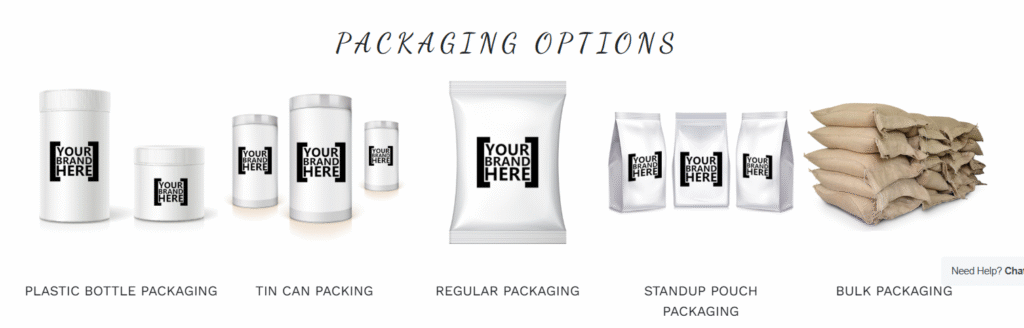
Yes. A shipment can meet food safety standards and still get rejected because of labeling or documentation errors.
Common mistakes include:
- Incorrect ingredient declarations
- Missing allergen information
- Wrong batch coding
- Incomplete country-of-origin labeling
- Improper moisture protection
- Missing FDA or EU compliance paperwork
This is where experienced exporters outperform commodity traders.
At VLC Spices, export support includes:
- Bulk export packaging
- Private labeling
- Custom spice blends
- Compliance-oriented documentation
- Flexible packaging formats
- Shipment-ready quality checks
What Happens Financially When a Spice Shipment Gets Rejected?
A rejected shipment can create losses far beyond product value. Businesses may face storage penalties, shipment destruction costs, delayed supply chains, retailer penalties, and long-term reputation damage.
The Hidden Cost of Port Rejections
A rejected container may lead to:
- Demurrage charges
- Product destruction costs
- Re-export expenses
- Delayed retail launches
- Contract disputes
- Loss of distributor trust
For private label food brands, even one failed shipment can affect shelf continuity and customer confidence.
That is why international buyers increasingly prioritize exporter reliability over lowest pricing.
Also read: Common Mistakes Spice Exporters in India Make in International Trade (And How to Avoid Them)
How Does the Right Exporter Prevent Shipment Rejections?
The right exporter prevents rejections by controlling quality before the shipment leaves India. This includes raw material sourcing, microbial testing, pesticide screening, traceability systems, hygienic processing, compliant packaging, and accurate export documentation.
Prevention is always cheaper than detention.
VLC Spices’ Proprietary “CLEAR Export Framework”
To reduce export risks, VLC Spices follows an internal compliance-first system called the CLEAR Framework.
C – Compliance-First Sourcing
Only verified suppliers and quality-approved raw materials enter production.
L – Laboratory-Tested Batches
Products undergo testing for microbial contamination, moisture, residue parameters, and quality consistency.
E – Export Documentation Accuracy
Shipment documentation is checked against destination-country requirements.
A – Airtight Packaging Systems
Moisture-resistant packaging helps preserve freshness and reduce contamination risks during transit.
R – Regulatory Readiness
Certifications and processing systems are maintained for international market acceptance.
This framework helps reduce operational risks for importers and food brands sourcing spices globally.
Our Case Study: How Preventive Testing Reduced Export Risk
A Middle East food-service buyer sourcing blended spices faced repeated quality inconsistencies from multiple low-cost suppliers.
The challenges included:
- Batch-to-batch flavor variation
- Packaging failures during transit
- Delayed customs clearance
- Inconsistent documentation
After shifting to a structured compliance-focused supplier model with VLC Spices, the buyer standardized:
- Batch testing
- Moisture-controlled packaging
- Documentation workflows
- Quality consistency across shipments
The result was smoother customs processing and lower operational risk across repeat orders.
What Should Buyers Check Before Choosing an Indian Spices Exporter? A Checklist
Here are some critical questions international buyers should ask before placing large export orders:
Evaluation Area | What Buyers Should Verify |
Certifications | FSSC 22000, ISO, HALAL, KOSHER, APEDA |
Testing | Microbial and pesticide residue testing |
Traceability | Batch-level sourcing records |
Packaging | Moisture-proof and export-grade packaging |
Documentation | COA, invoice, packing list, labeling compliance |
Production | Hygienic processing systems |
Scalability | Ability to handle repeat export volumes |
Many shipment failures occur not because the spice quality is poor, but because exporters lack systems that align with international regulatory expectations.
How Is Technology Changing Spice Export Compliance?
Digital traceability and laboratory integration are becoming increasingly important in spice exports.
Global buyers now expect:
- Real-time batch traceability
- Supplier transparency
- Digitized export documentation
- Faster testing turnaround
- Predictable quality consistency
As food supply chains become more regulated, exporters using structured quality-control systems will continue gaining preference in EU and US markets.
This shift is especially important for:
- Retail food brands
- Restaurant chains
- Import distributors
- Private-label spice companies
- Industrial food manufacturers
At VLC Spices, the focus remains on combining traditional spice expertise with modern export compliance systems to support long-term global partnerships.
Exporter Reliability Now Matters More Than Lowest Pricing in 2026
In global food trade, reliability creates measurable business advantages:
- Faster customs clearance
- Lower rejection risk
- Better inventory planning
- Stronger retailer confidence
- Fewer supply-chain disruptions
- Higher customer retention
This is why experienced importers prefer exporters with structured compliance systems instead of purely price-driven sourcing models.
For companies importing spices into highly regulated regions like Europe and North America, supplier quality directly impacts brand reputation.
Final Thoughts
Indian spices continue to dominate global demand because of their flavour diversity, quality, and culinary importance.
However, international buyers today need more than quality spices.
They need:
- Compliance-ready exports
- Reliable documentation
- Food-safe processing
- Traceable sourcing
- Consistent shipment execution
The right exporter acts as a risk-management partner throughout the supply chain.
VLC Spices supports global B2B buyers with certified spice manufacturing, export-oriented quality systems, private-label capabilities, and international shipment expertise designed for modern food markets.
Businesses looking for dependable Indian spice exports can connect with the VLC Spices team to discuss bulk orders, custom spice blends, and global distribution requirements.