Private Label Spices for New Brands: What Actually Drives Your First-Year Margin
Launching a spice brand is exciting. Watching your products appear on store shelves or online marketplaces can feel like a huge milestone. But behind the branding and packaging lies a reality that many new food businesses discover too late: your first-year profitability is rarely decided by sales alone. It is decided by how smartly you build your supply chain.
For many emerging food brands, working with private-label spice companies becomes the fastest way to bring products to market. However, the difference between a profitable first year and a financially stressful one often comes down to understanding what actually drives margins.
In this blog, we break down the factors that influence first-year profitability when working with private label spice manufacturers India, helping new brands make better commercial decisions.
What Are Private Label Spices?
Private label spices are spice products manufactured by a third-party supplier but sold under a brand’s own name.
In this model:
- The manufacturer produces and processes the spices
- The buyer owns the brand, packaging, and market strategy
- Products are sold to retailers, distributors, or directly to consumers
Many food startups choose private label seasoning companies because it allows them to launch their product faster without investing in factories, grinding equipment, or sourcing infrastructure.
India has become a major hub for private label spice manufacturers because of India’s strong agricultural supply chain, spice processing expertise, and export capabilities.
Why Private Label Spices Make Sense for New Brands?
Launching a spice brand from scratch requires significant infrastructure. Grinding, blending, quality testing, packaging, storage along with spice experts. This demands capital investment.
Working with private label spice manufacturers India allows brands to:
- Reduce manufacturing investment
- Launch products faster
- Focus on branding and distribution
- Access established sourcing networks
- Maintain consistent quality
However, private labelling alone does not guarantee profitability. The real question is how efficiently your product is built and delivered.
The Real Drivers of First-Year Margin in Private Label Spices
Most new food brands assume that margins depend mainly on product pricing. The reality is far from it. There are several operational factors that shape profitability.
1. Raw Material Sourcing Efficiency
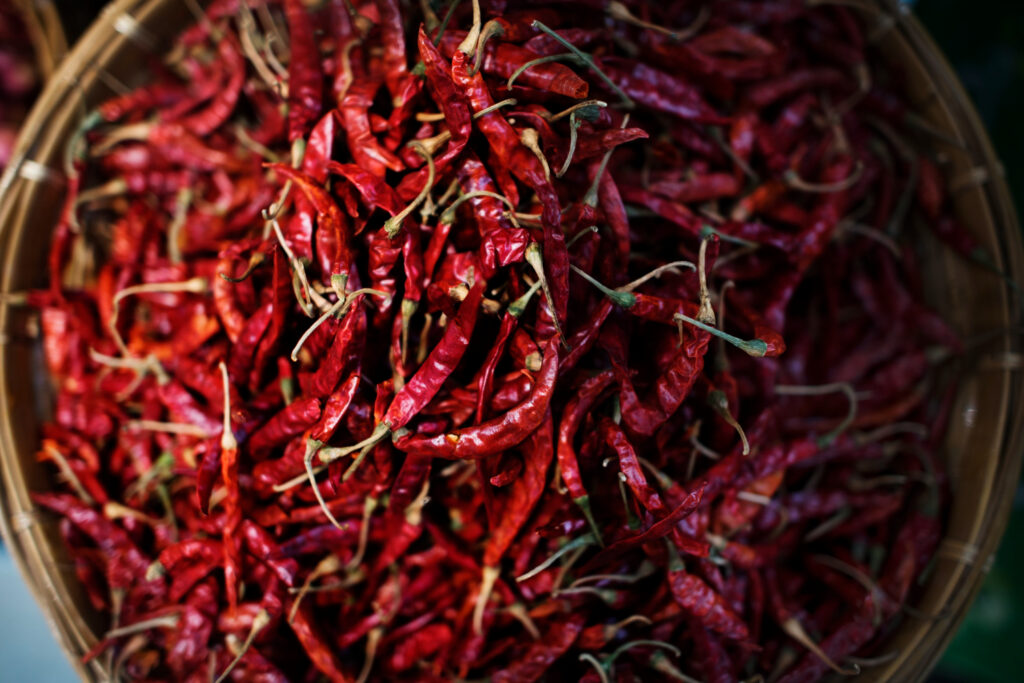
Spices are agricultural products. Their prices fluctuate depending on harvest cycles, export demand, and weather conditions.
Reliable private label spice companies usually have:
- Established farmer networks
- Long-term procurement contracts
- Bulk sourcing advantages
- Seasonal buying strategies
For a new brand, working with experienced suppliers can reduce cost volatility and ensure steady supply.
For example, chilli powder prices usually fluctuate significantly between seasons. A supplier with strong an established network can stabilise pricing across production cycles.
2. Minimum Order Quantities (MOQs)
MOQ is one of the biggest margin influencers for new brands.
Smaller production runs increase:
- Per-unit packaging costs
- Manufacturing setup costs
- Logistics costs
- Inventory management complexity
When buying from a bulk manufacturer, the cost depends on both packaging size and order volume.
For larger packs, higher quantities reduce the cost per unit. For example, 20,000 units of 1 kg packs will cost less per unit than 5,000 units.
For smaller packs, the situation changes. Lower quantities like 5,000 units of 100 g packs are usually not viable. Because the pack size is smaller, the required volume increases significantly.
In such cases, you may need to order 200,000 units or more. Even then, higher quantities up to 15-20 lakh units will give you better pricing.
This is essentially how Minimum Order Quantity (MOQ) works.
Brands that understand MOQ economics early can plan inventory and product launches more strategically.
3. Packaging Choices
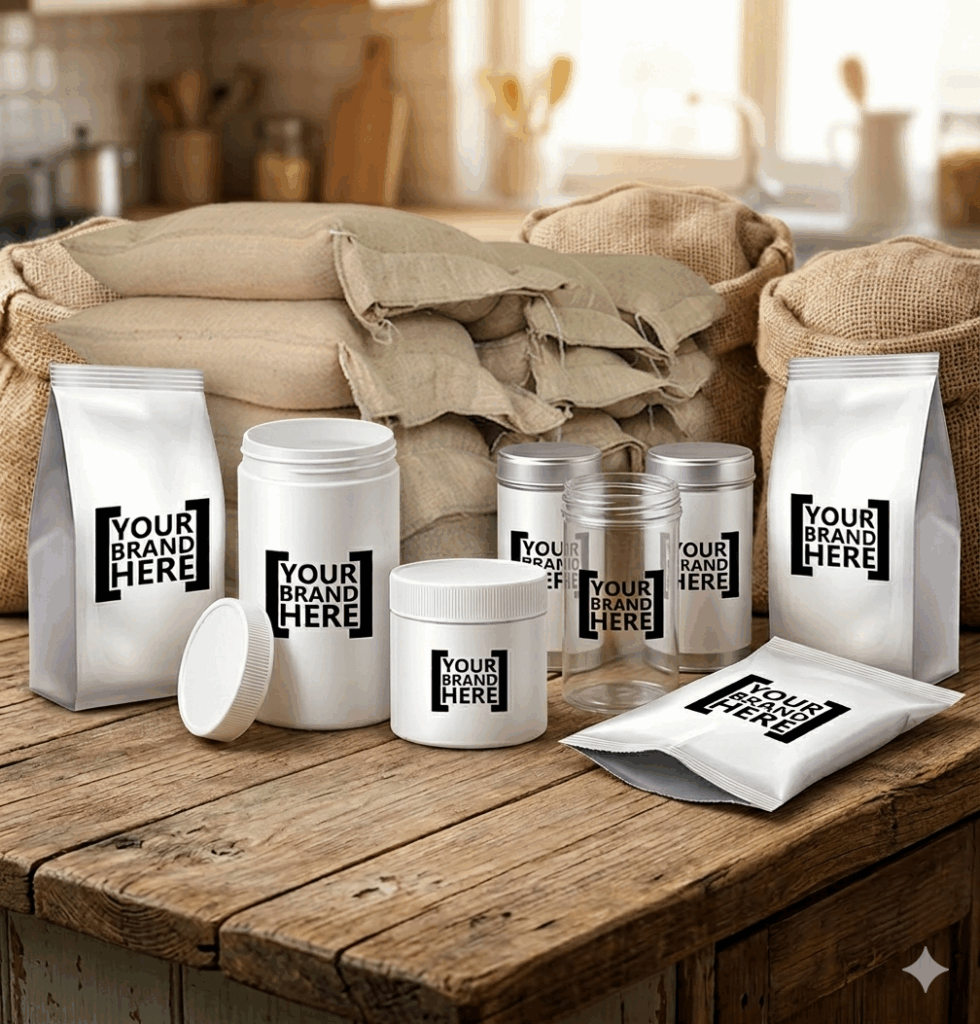
Packaging affects both cost and brand perception.
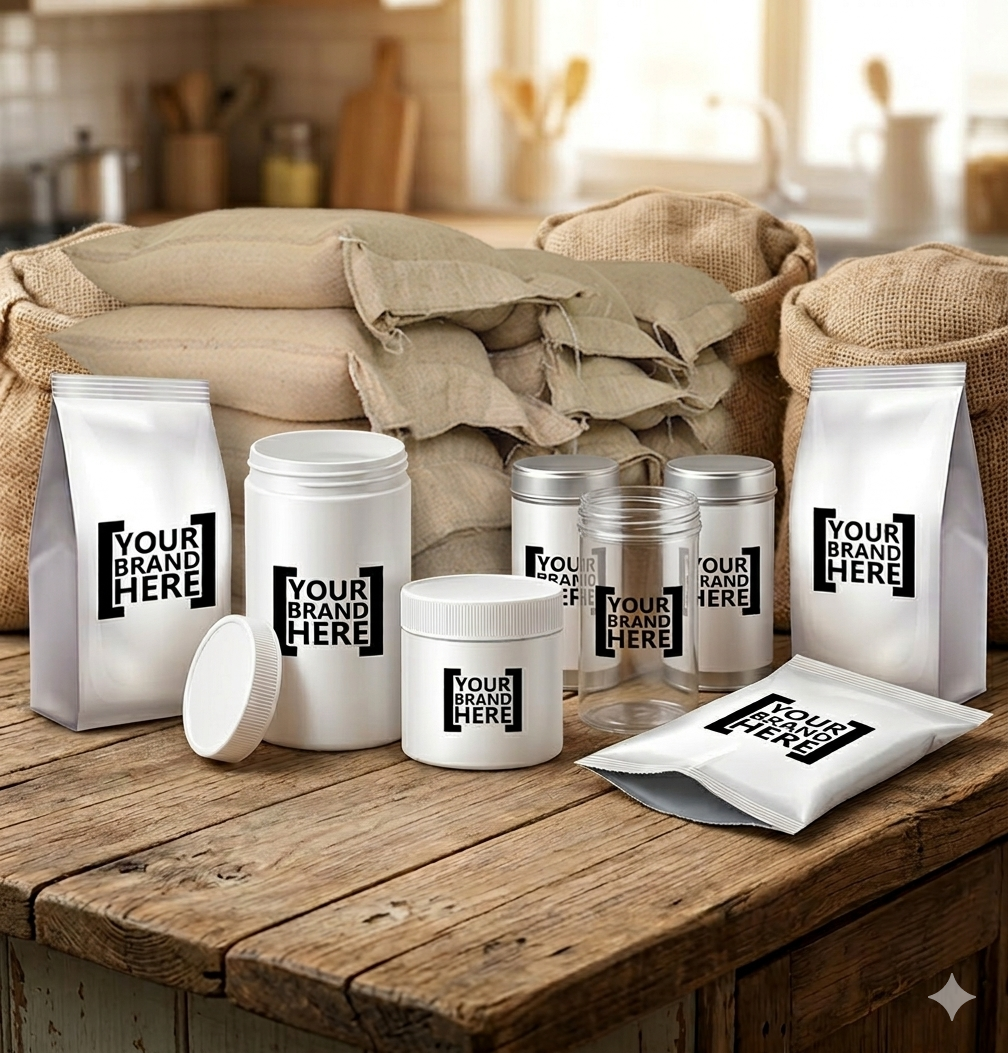
Different packaging options include:
- PET jars
- Stand-up pouches
- Sachets
- Bulk HoReCa packs
Each format has a different cost structure.
For example:
Packaging Type | Cost Impact | Use Case |
PET Jars | Higher | Retail shelf presence |
Stand-up pouches | Moderate | E-commerce friendly |
Sachets | Lower | Trial packs |
Bulk packs | Lowest | Restaurants and distributors |
Experienced private label spice companies often guide brands toward packaging that balances cost efficiency with market expectations.
4. Spice Blend Complexity
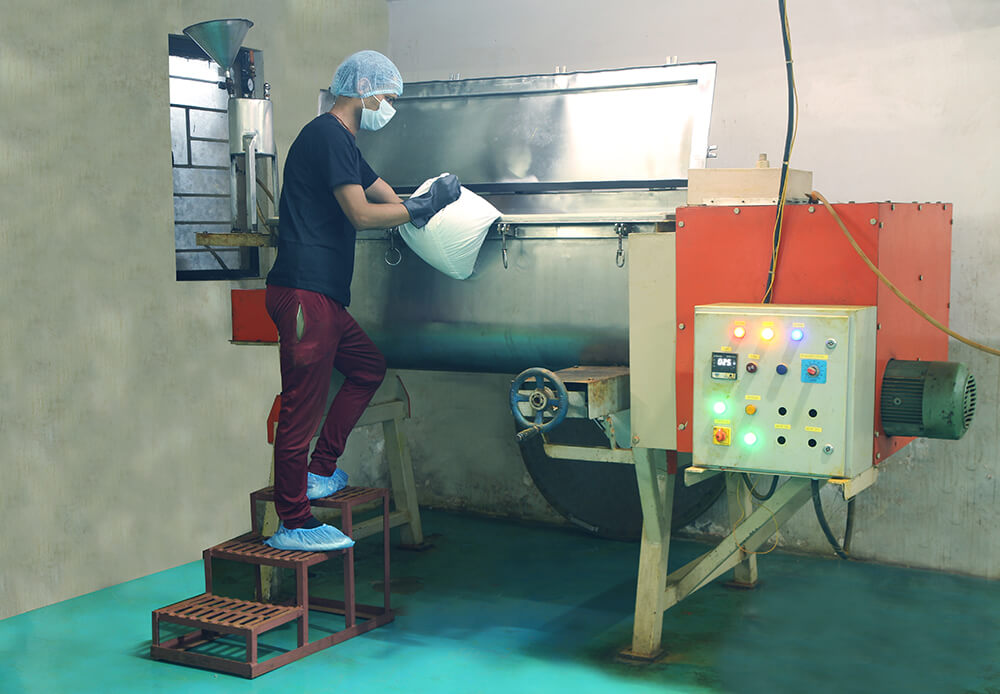
Single spices such as turmeric or cumin are easier to manufacture. However, private labeling companies work best when you need custom blend or a secret spice
Custom blends require:
- Multiple ingredients
- Recipe development
- Consistency control
- Additional quality checks
Complex blends increase manufacturing time and cost.
However, they also allow brands to differentiate themselves and justify higher retail pricing.
Many private label seasoning companies help brands develop proprietary blends that create long-term brand value.
5. Logistics and Distribution Costs
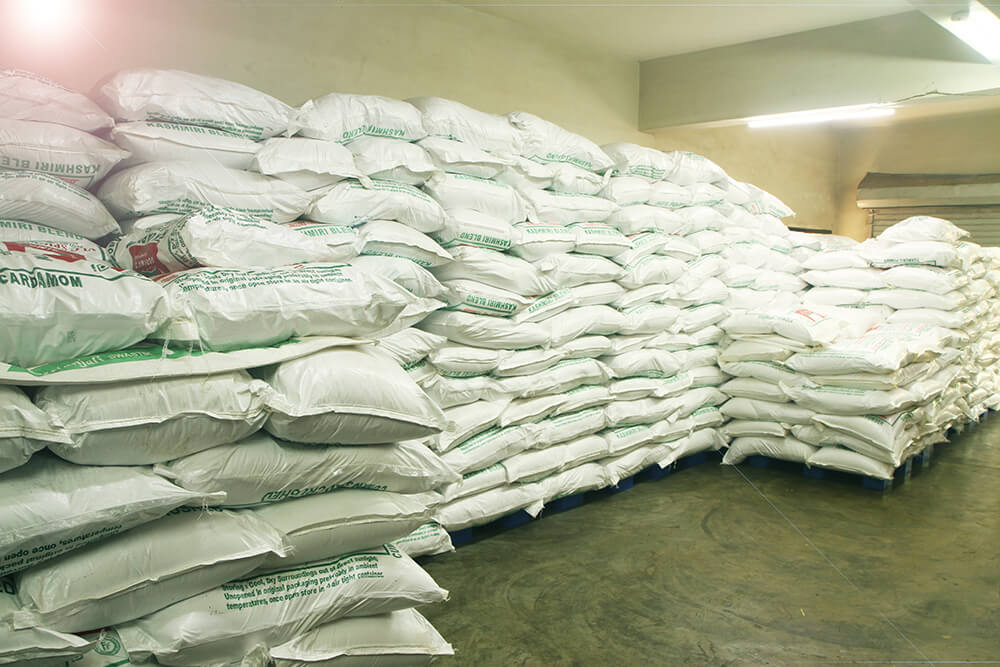
Shipping can significantly impact margins.
Factors that influence logistics costs include:
- Warehouse location
- Packaging weight
- Shipment size
- Domestic vs export delivery
Brands that plan logistics early can reduce distribution expenses.
For example, selling through distributors may require bulk cartons, while direct-to-consumer models may require retail-ready packaging.
Example: How a New Spice Brand Builds Margin
Consider a startup launching three spice blends:
- Garam Masala
- Chaat Masala
- Kitchen King Masala
If the brand works with experienced private label spice companies, it can optimise:
- Ingredient sourcing
- Batch production size
- Packaging design
- Storage and dispatch
With proper planning, a spice brand can maintain gross margins between 30% and 50% depending on distribution strategy.
Margins may vary depending on:
- Market positioning
- Packaging cost
- Ingredient quality
- Sales channel
How to Choose the Right Private Label Spice Partner
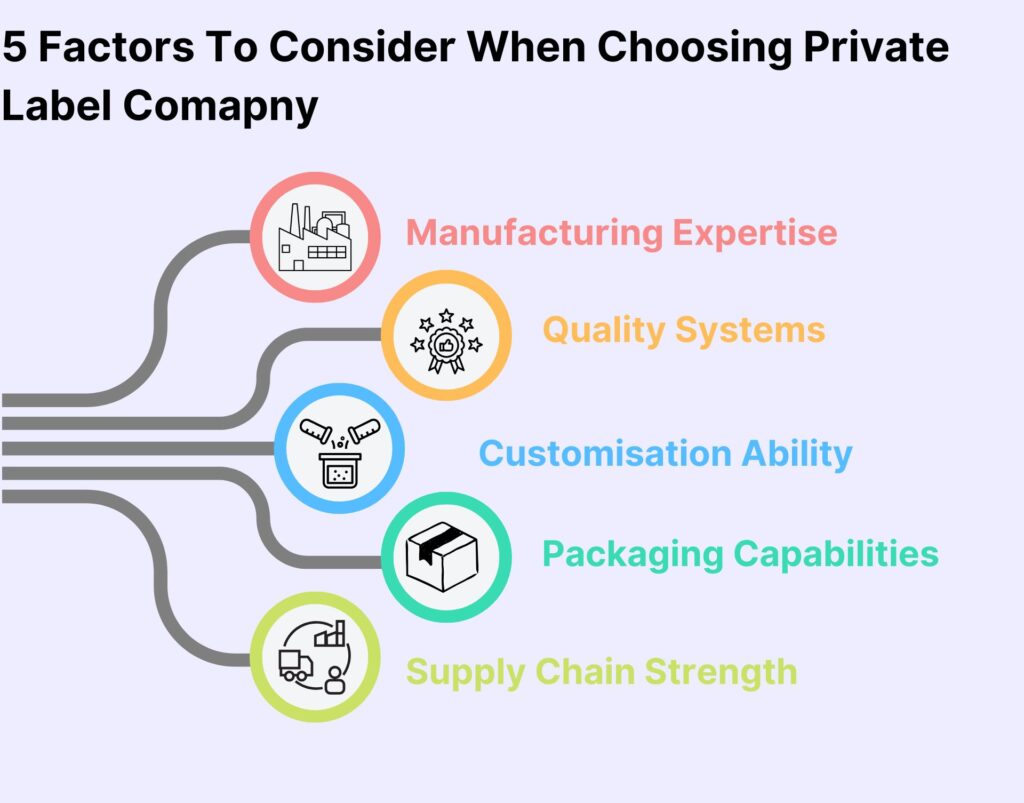
When evaluating private label spice manufacturers India, food businesses should look beyond price. Look for:
- Manufacturing Expertise – Does the supplier have experience producing consistent spice blends at scale?
- Quality Systems – Do they maintain documented quality processes and testing protocols?
- Customisation Ability – Can they develop unique blends tailored to your brand?
- Packaging Capabilities – Do they offer multiple packaging formats suited for your market?
- Supply Chain Strength – Do they have reliable raw material sourcing networks?
The right supplier becomes a long-term manufacturing partner rather than just a vendor.
The Best Private Label Spice Company in India
If you are looking to work with a private label spice company in India, you can check out VLC Spices. With our expertise in manufacturing custom blends and various seasoning, we have helped brands leave their mark in the market. Here’s why you should work with us:
- Raw material sourcing: We source our products from best farms across India. We choose farm location that are known for their spice location.
- Packaging choices: Our packaging includes plastic containers, tin containers, standup pouch packaging, bulk packaging.
- Spice blend complexity: We have experts that can help you create a spice blend that suits your requirements.
- Logistics and distribution: Our manufacturing facility is in close proximity with international port; meaning, you’ll always get your delivery on time.
Check out our Private Label Services today!
Final Thoughts
Launching a spice brand is not only about flavour. It is about building a reliable manufacturing and supply ecosystem.
Working with experienced private label spice companies allows food businesses to focus on other aspects like, brand building, market expansion, and customer relationship
With the right partner and careful planning, private label spices India offer a strong opportunity for food businesses looking to build scalable, high-quality spice brands.
Visit VLC Spices to learn more about our spices, infrastructure, and private labelling and custom blend services
Frequently asked questions
What do private label spice companies do?
Private label spice companies manufacture spices and spice blends for businesses that want to sell products under their own brand name. The manufacturer handles sourcing, processing, grinding, blending, and sometimes packaging.
Why do food businesses use private label spice manufacturers?
Working with private label spice manufacturers India allows food businesses to launch spice products without investing in production infrastructure. This reduces capital costs and speeds up market entry.
Are private label spices profitable?
Yes, spice products can offer healthy margins when sourcing, packaging, and distribution are planned correctly.
Profitability depends on:
- Raw material sourcing
- Production volume
- Packaging choices
- Distribution strategy
What is the difference between private label and white label spices?
Private label spices are customised products developed for a specific brand. White label spices are pre-existing products that multiple brands can sell with minimal modification. Private label usually offers greater brand differentiation.