
How Chilli Powder Suppliers Balance Pungency, Colour, and Shelf Stability
For a food business, consistency is of the utmost importance. According to an article by Supy, when customers visit your food business for the same dish, they expect similar flavour as they relate it to feelings of comfort and positivity.
Inconsistent colour or heat level in your dish may leave the customer dissatisfied. However, here’s the good news, standardising chilli heat is not complicated. All you need is an excellent chilli powder supplier.
In this blog, we will talk about how chilli powder suppliers ensure that every batch has consistent flavour, colour, pungency and shelf stability so that restaurants and food business don’t have to worry about inconsistent flavours.
The Science of Pungency: Standardising Heat
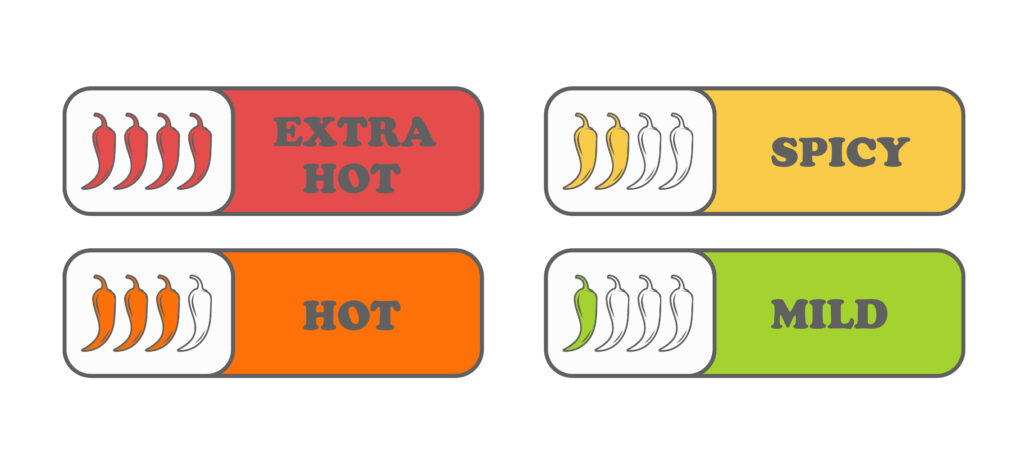
Pungency is what makes chillies so popular. In scientific term, ‘the heat is derived from capsaicinoids, primarily capsaicin, which is concentrated in the placenta or white pith of the chilli pepper.’ This heat is measured in SHU.
The primary challenge for the supplier is to ensure that the capsaicin levels remain similar. A single crop can yeild chillies ranging from 20,000 – 40,000 SHU. To combat this inconsistency, suppliers usually use blending techniques. Let’s understand this in detail:
Blending for Consistency

By sourcing from different farms, regions, and harvest cycles, suppliers can create a specific heat profile. Chilli powder suppliers in India have a distinct advantage in this regard as India has different variety of chillies from mild Byadgi to the fiery Guntur Sannam. Manufacturers blend them in right proportion to create the ideal spice pungency.
The Visual Impact: Maintaining Colour Integrity
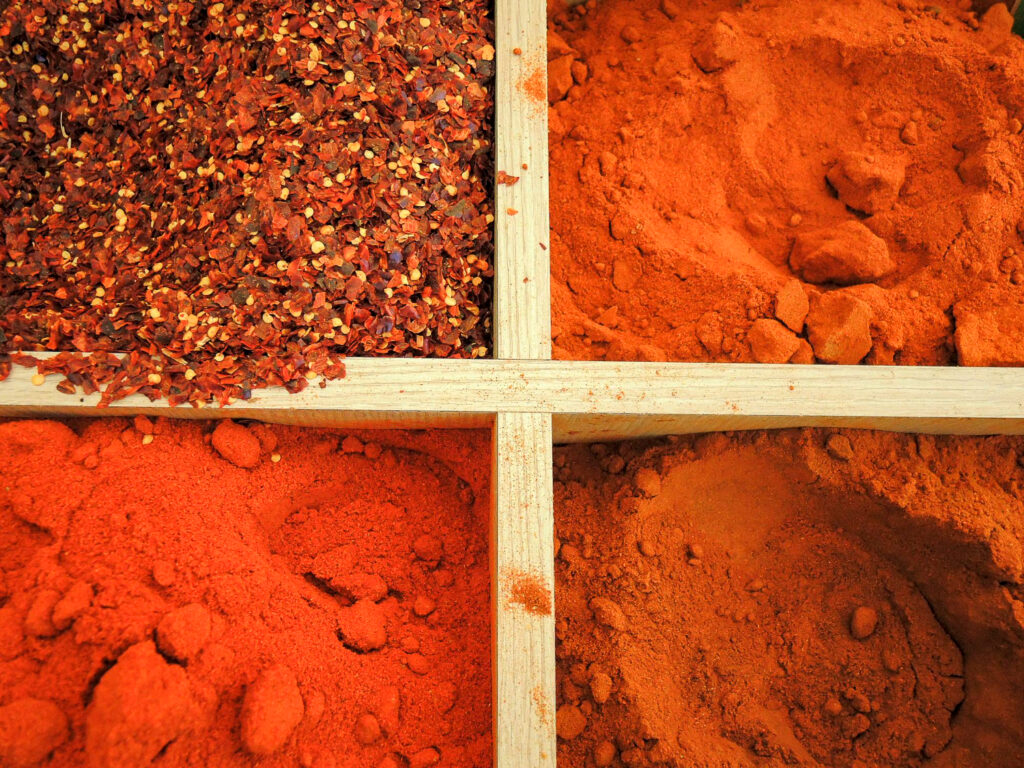
The colour of a dish is as important as the flavour. A visually appealing colour is associated with freshness, quality, and good taste. Colour is generally measured using ASTA and higher ASTA value indicates a deeper red colour, which is highly prized in the manufacture of sauces, marinades, and seasoning mixes.
The red pigment comes from carotenoids in the pepper skin. However, these pigments are incredibly sensitive. Factors that degrade colour include:
- Oxidation: Exposure to air causes pigments to break down.
- Heat: Excessive heat during grinding destroys carotenoids.
- Light: UV exposure bleaches the powder over time.
When sourcing from red chilli powder suppliers, manufacturers often prioritise high ASTA values to ensure their final products look appetising without the need for artificial dyes. To preserve this colour, suppliers carefully control the processing environment.
The Role of Processing in Shelf Stability
Shelf stability refers to how long the spice retains its quality without spoiling or losing potency. The two main enemies of shelf stability are moisture and temperature.
Moisture Control
Fresh chillies contain water content, which risks microbial growth and mould formation; therefore, it’s essential to dry the chillies. However, drying them aggressively can cook the spices, altering the flavour profile.
Professional suppliers work in controlled environment to ensure that the final moisture content is kept strictly within safe limits to prevent clumping and bacterial proliferation while preserving the volatile oils that carry the aroma.
Grinding Temperatures
The mechanical process of grinding spices generates friction, which in turn generates heat. If uncontrolled, this heat can evaporate essential oils and degrade the natural pigments.
Premium chilli powder suppliers often utilise cold grinding or cryogenic grinding technologies. This method involves cooling the spices, sometimes using liquid nitrogen, before or during the grinding process.
The Balancing Act
The true expertise of chilli powder suppliers lies in balancing these three factors, as they often conflict with one another. For instance, some chillies might have exceptional colour but lack the heat, while others might provide heat but not the right colour.
To solve this, suppliers engage in rigorous testing and blending.
- Raw Material Analysis: Every batch of raw whole chillies is tested for SHU, ASTA, and moisture content before processing begins.
- Controlled Blending: Suppliers adjust the right colour and flavour my blending spicy Guntur variety with colour rich Kashmiri or Byadgi chillies.
- Particle Size Optimisation: The size of the grain is also very important. Finer grind provides rich colour but can be exposed to oxidation. Suppliers maintain the right size to suit the business requirement.
Final Thoughts
The production of high-quality chilli powder is far more than simply crushing dried peppers. It is a precise industrial art that harmonises the biological variance of nature with the strict standards of modern food manufacturing. By mastering the variables of capsaicin levels, carotenoid retention, and moisture control, suppliers ensure that the spice delivering the kick to a curry or the red hue to a sauce remains consistent throughout the year.
If you are looking for a reliable chilli powder manufacturer, you should definitely check out VLC Spices. We have our own manufacturing plant where spice experts create unique brands according to business requirement. Our plant is also situated right next to the port, meaning quick transportation and quick delivery to international clients.
Along with chilli powder, you can also check out our other whole and ground spice collection which includes coriander seeds, fennel seeds, mace, cloves, white onion powder, black pepper powder and more. Shop Now.