Bulk Sourcing vs Private Label Spices: Buyer Guide
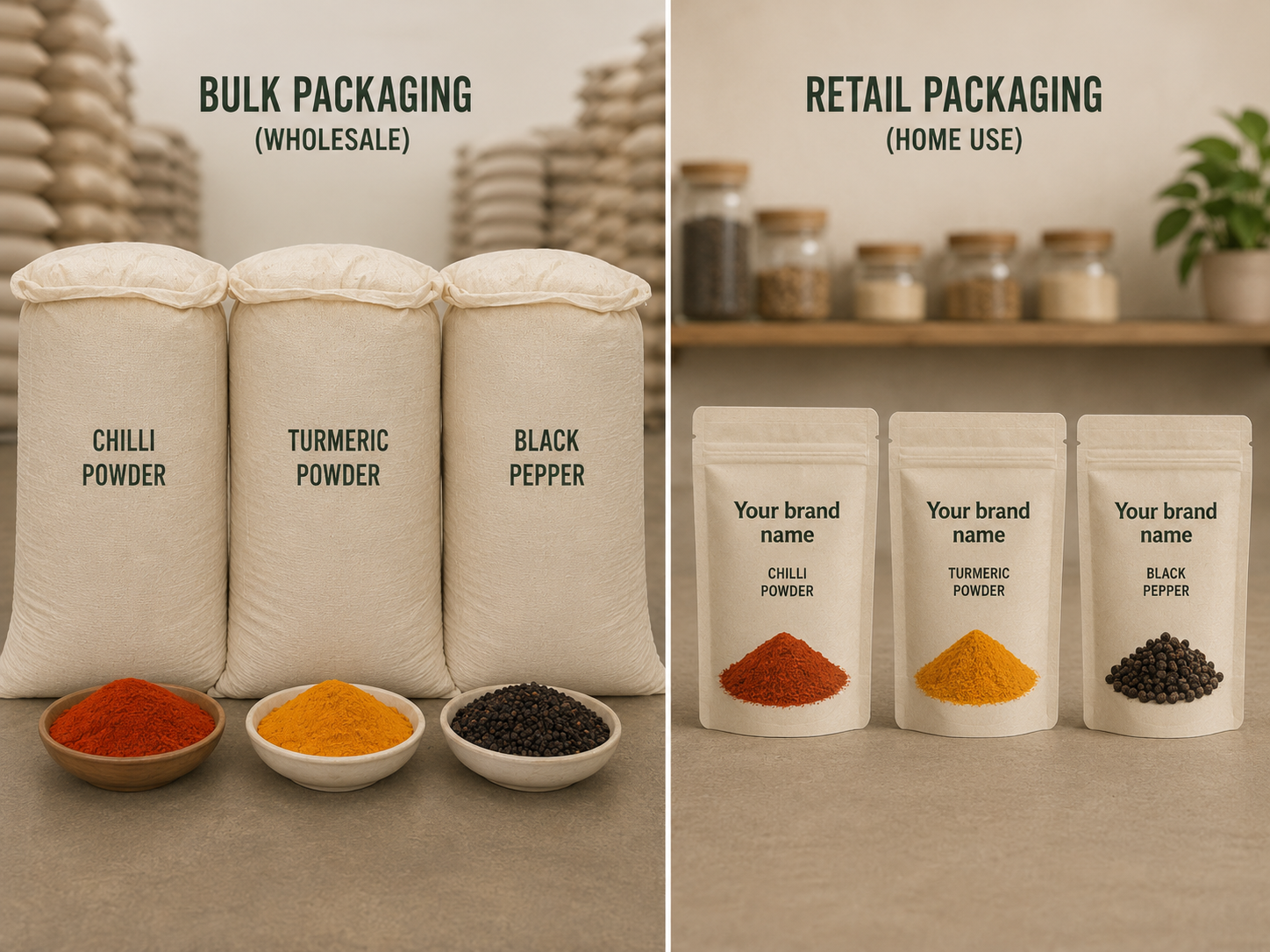
When you buy spices for your business, you usually have two options. You can go for bulk sourcing (customised for your business), or you can go for private label. Both are common ways to work with spices manufacturing companies in India, and both suit different kinds of buyers. The right choice depends on your business goals, your budget, and whether you need your own brand on the product.
In this guide, we break down both models in simple terms, so you can decide what works best for your business.
What Is Bulk Sourcing?
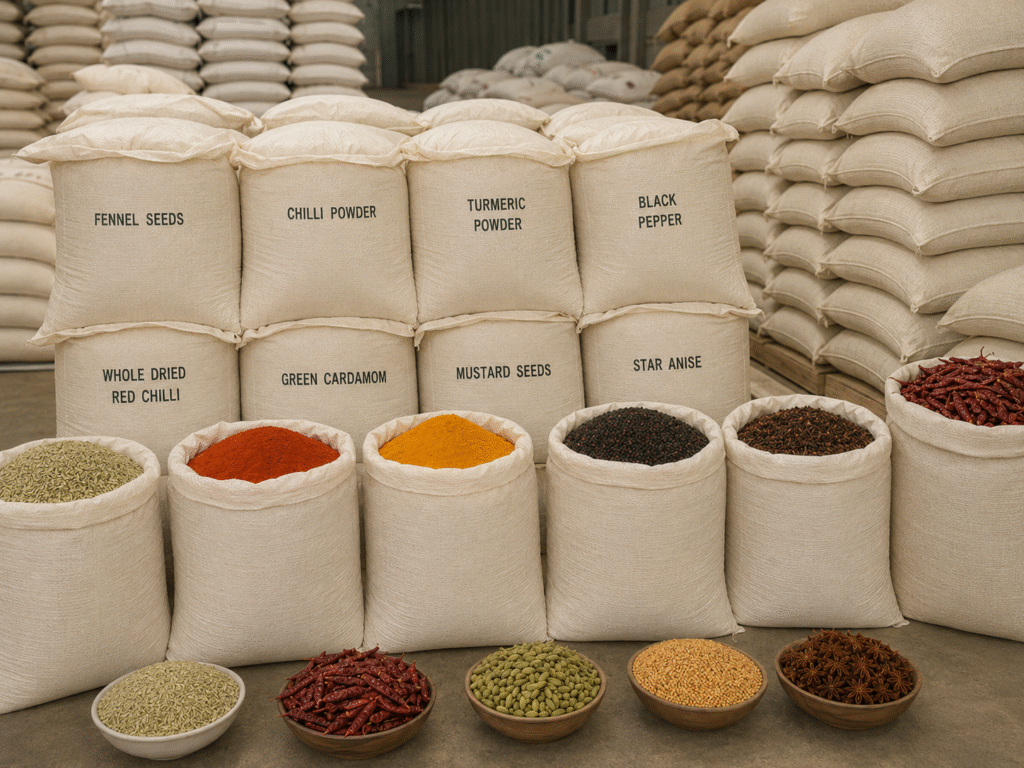
Bulk sourcing means buying spices in large quantities, without any custom branding. The spices come in standard packaging, and they are usually meant for further use, such as:
- Ingredients in food processing
- Resale to smaller buyers
- Use in restaurants, hotels, or catering businesses
Bulk sourcing is a common choice for buyers who work with aspices exporter in India businesses trust for large, steady volumes. It is often the fastest and most cost-effective way to get spices at scale.
Businesses also get option to customise their spice according to their business.
What Is Private Label Sourcing?
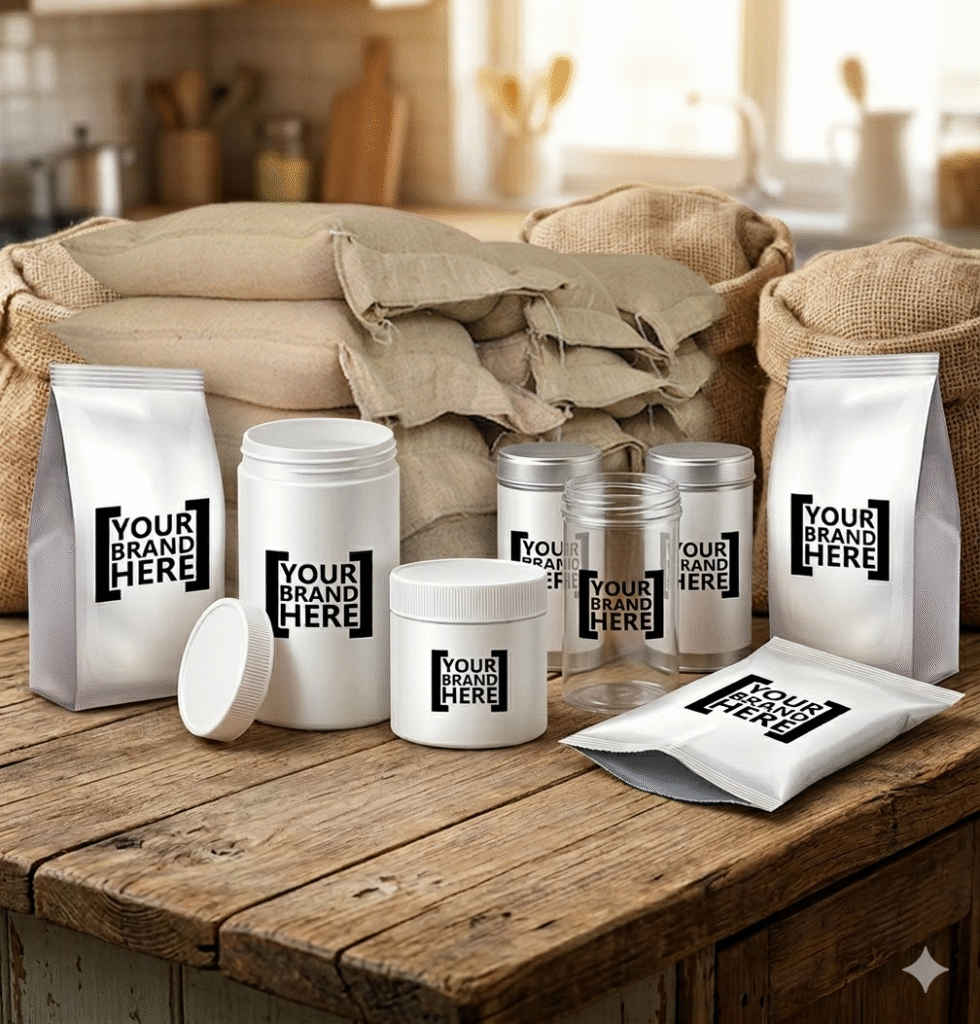
Private label sourcing is different. Here, the spices are made and packaged according to your own specifications and sold under your own brand name. This option is popular with:
- Retail spice brands
- D2C (direct-to-consumer) food companies
- Businesses that want to build a product line of their own
With private label, you get full control over packaging, labelling, and sometimes even the blend or grind of the spice. This makes it a good fit for businesses that want to grow their own brand identity in the market.
Bulk Sourcing vs Private Label: Key Differences
Here is a simple comparison to help you understand where each model fits best.
Factor | Bulk Sourcing | Private Label |
Best for | Ingredient use, resale, food processing | Building a retail brand |
Packaging | Standard, unbranded | Custom, brand-specific |
Minimum order quantity | Often lower or more flexible | Usually higher |
Lead time | Generally faster | Longer, due to custom setup |
Cost structure | Lower cost per unit | Higher, due to customization |
Branding control | None | Full control |
Neither option is better than the other. They simply serve different business needs.
Questions to Ask Before You Choose
Before you decide, it helps to ask yourself a few simple questions.
- What will you use the spices for? Ingredient use is different from a retail product.
- How much volume do you need, and how often will you reorder?
- Do you need control over how the product looks and is labelled?
- Can your business meet the minimum order quantity for the model you want?
- What is your timeline? Some models take longer to set up than others.
Your answers to these questions will point you toward the right sourcing model.
Can a Business Use Both Models?
Yes, many businesses do. It is common for one company to use bulk sourcing for part of its operations, such as food service, while also using private label for a retail product line.
This is why many buyers prefer to work with spices manufacturing companies in India that offer both bulk and private label options under one roof. It gives you the flexibility to grow in more than one direction, without having to manage separate suppliers for each need.
Manufacturers like VLC Spices support both bulk orders and private label programmes, which makes it easier for businesses to choose the model that fits their current needs, and switch or expand later if their business grows.
Working with the Right Partner
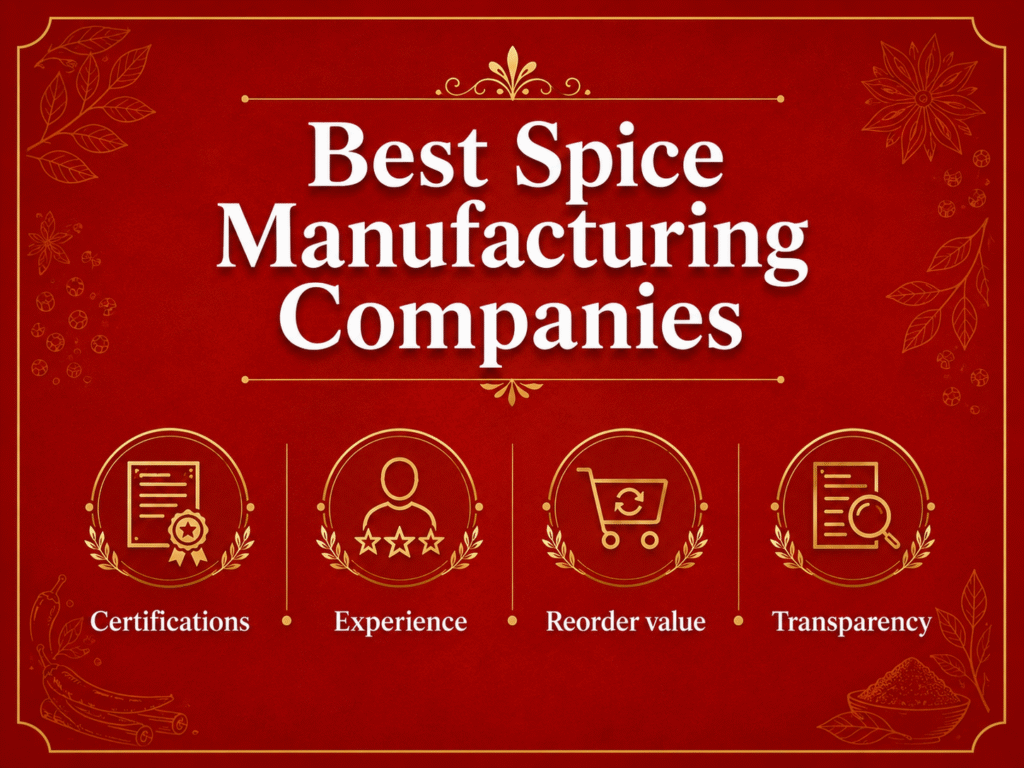
Whether you choose bulk or private label, the manufacturer you work with matters just as much as the model itself. When looking for a reliable spices supplier in India, it helps to check a few basics:
- Do they have proper certifications and quality checks in place?
- Can they meet your volume needs consistently?
- Do they have experience with both bulk and private label orders?
- Are they transparent about lead times and documentation?
Working with established spices wholesalers from India that buyers already trust can also make the sourcing process smoother, especially if you are new to importing or manufacturing spice-based products.
Final Thoughts
There is no single right answer between bulk sourcing and private label. It comes down to what your business needs right now, and where you plan to take it in the future. Many buyers find it useful to work with spices manufacturing companies in India that offer both options, so they are not locked into one model as their business changes.
Looking for a spice manufacturing partner you can rely on?
VLC Spices offers both bulk spices and private labelling services, so you can choose what fits your business best. Every batch is manufactured using advanced machinery, in controlled temperature conditions, to help retain the natural flavour and essential oils of each spice.
Visit VLC Spices to explore their range and get in touch with the team.